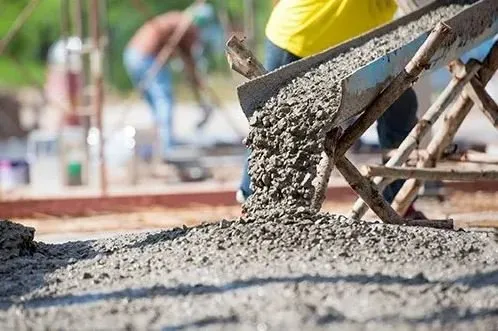
Concrete is one of the most versatile materials you can use to improve a residential or commercial property. From driveways and sidewalks to patios, slabs, and decorative surfaces, the right concrete installation can improve functionality, appearance, accessibility, and long-term property value.
However, not every concrete surface is designed for the same purpose.
A driveway needs to handle regular vehicle traffic. A patio needs to provide a comfortable and attractive outdoor living area. A sidewalk needs to offer safe and convenient access, while a concrete slab may need to provide a stable base for a structure or outdoor feature.
If you are planning a concrete project in Greensboro, NC, understanding the differences between common concrete applications can help you make a better decision.
Why Choosing the Right Concrete Application Matters
Concrete may appear to be a simple construction material, but the design and installation requirements can vary significantly depending on how the surface will be used.
The right concrete solution should take into consideration:
- Intended use
- Expected traffic
- Property layout
- Drainage
- Ground conditions
- Available space
- Appearance
- Maintenance requirements
- Long-term durability
Professional concrete installation also needs to work with the surrounding landscape and grading of the property.
Greensboro Grading and Concrete provides concrete installation and repair services for residential and commercial properties, including driveways, patios, sidewalks, slabs, foundations, stamped concrete, curbs, gutters, and concrete repairs.
1. Concrete Driveways
A driveway is one of the most frequently used concrete surfaces on a property.
It needs to withstand vehicles entering and leaving the property while also complementing the appearance of the home or commercial building.
Concrete driveways can provide:
- A durable vehicle surface
- Improved curb appeal
- Defined access to the property
- Easier maintenance
- A clean and finished appearance
Before installing a driveway, the site should be properly prepared.
Existing soil conditions, elevation, drainage, and the intended driveway layout should all be considered before construction begins.
Proper preparation is especially important because water should not be allowed to collect beneath or around the finished surface.
2. Concrete Patios
If your goal is to create a comfortable outdoor living area, a concrete patio can be an excellent option.
A patio can provide space for:
- Outdoor dining
- Grilling
- Seating
- Family gatherings
- Entertaining guests
- Relaxing outdoors
- Fire pit areas
Concrete also provides flexibility when designing the size and shape of the patio.
For homeowners who want something more decorative, stamped or textured concrete can create an appearance that complements the surrounding landscape.
A patio should also be designed with drainage and surrounding landscaping in mind.
The finished surface should work naturally with the property’s existing grade rather than creating new water-management problems.
3. Concrete Sidewalks and Walkways
Sidewalks and walkways provide safe connections between different parts of a property.
A properly designed walkway can connect:
- The front entrance and driveway
- The home and patio
- The driveway and backyard
- Garden areas
- Outdoor living spaces
- Commercial entrances
Concrete walkways can provide a clean, permanent walking surface while helping organize the flow of people around the property.
The width, slope, location, and transitions between surfaces should be considered during planning.
4. Concrete Slabs
Concrete slabs can serve as stable bases for a variety of projects.
Depending on the application, a slab may support:
- Garages
- Sheds
- Workshops
- Outdoor structures
- Equipment
- Other construction projects
The preparation requirements depend on what the slab will support.
The ground beneath the slab should be properly prepared, and the site should be evaluated before installation.
This is where grading and excavation can become important parts of a larger concrete project.
5. Stamped Concrete
If appearance is an important part of your project, stamped concrete can provide additional design possibilities.
Stamped concrete can be created to resemble patterns and textures associated with materials such as stone or brick.
It can be useful for:
- Patios
- Walkways
- Entry areas
- Outdoor entertainment spaces
- Decorative surfaces
This makes stamped concrete an option for homeowners who want the functionality of concrete while creating a more distinctive visual appearance.
The surrounding landscaping and hardscape should also be considered so the finished surface fits naturally into the overall property design.
6. Concrete Foundations
Concrete foundations provide structural support for buildings and other construction projects.
Because foundations are located beneath the finished structure, proper planning and site preparation are particularly important.
Before foundation work begins, factors such as:
- Site conditions
- Elevation
- Excavation
- Soil
- Drainage
- Structural requirements
need to be considered.
A foundation project should not be approached in the same way as a decorative patio or walkway.
The intended structure and site requirements determine the appropriate preparation and installation process.
7. Curbs and Gutters
Curbs and gutters can help define property edges and manage the movement of surface water.
They may be used around:
- Driveways
- Roads
- Parking areas
- Commercial properties
- Other paved areas
Properly planned drainage features can help direct water away from areas where it could cause erosion, pooling, or other problems.
For properties with existing drainage concerns, grading and drainage should be considered together with concrete construction.
Concrete and Property Drainage Should Work Together
One of the most important considerations for any outdoor concrete project is water management.
A new concrete surface changes how water moves across a property.
For example, replacing a section of lawn with concrete can increase the amount of water moving across the surface.
If the surrounding grade is not properly planned, water may collect near:
- Foundations
- Walkways
- Landscaping
- Driveways
- Low areas
- Other hardscape features
That is why concrete installation should be considered as part of the entire property rather than as a completely separate project.
How Grading Supports Concrete Installation
The condition and elevation of the ground beneath a concrete project can affect the finished result.
Grading may be required to:
- Establish appropriate elevations
- Correct uneven areas
- Improve water flow
- Prepare the construction area
- Remove unsuitable material
- Create a suitable foundation for the project
Greensboro Grading and Concrete combines grading, landscaping, concrete, and hardscaping services, allowing different aspects of an outdoor improvement project to be coordinated.
This can be particularly useful for projects where concrete connects directly with landscaping or hardscape features.
Concrete vs. Other Hardscape Materials
Concrete is not the only option for outdoor surfaces.
Depending on your project, you may also consider:
- Pavers
- Natural stone
- Decorative stone
- Brick
- Other hardscape materials
The best choice depends on your goals.
Concrete may be suitable when you want a solid, continuous surface with flexible design options.
Pavers may be preferred when you want a segmented decorative appearance.
Natural stone can create a different visual character and may work well with certain landscape designs.
The important thing is to select a material that works with the property’s architecture, drainage, landscape, and intended use.
How Landscaping Complements Concrete
Concrete does not have to dominate the appearance of an outdoor space.
Landscaping can soften hard surfaces and create a more balanced property design.
For example, landscaping around a concrete patio can include:
- Flower beds
- Shrubs
- Trees
- Sod
- Mulch
- Decorative stone
- Landscape lighting
Greensboro Grading and Concrete offers landscaping services including landscape design and installation, sod installation, mulch and decorative stone, planting, landscape lighting, drainage solutions, yard grading, and seasonal maintenance.
Combining concrete and landscaping can create an outdoor space that is both functional and visually appealing.
Questions to Ask Before Starting a Concrete Project
Before choosing a concrete solution, ask yourself:
What will the surface be used for?
Vehicle traffic, walking, entertaining, storage, and structural support all require different considerations.
How much space do I need?
The size of the project should reflect how the space will actually be used.
Does the property have drainage problems?
Existing standing water or erosion should be addressed during the planning stage.
Is the ground level and stable?
Uneven or unsuitable ground may require grading, excavation, or additional preparation.
Do I want a decorative finish?
If appearance is important, options such as stamped concrete can provide additional design flexibility.
How will the concrete connect to my landscaping?
The best outdoor projects consider concrete, plants, drainage, and hardscaping as parts of one overall design.
Common Concrete Planning Mistakes
Choosing a Surface Without Considering Its Purpose
A surface should be designed around how it will be used.
Ignoring Existing Drainage
Water-management problems can affect both the concrete and surrounding property.
Skipping Site Preparation
The finished concrete surface depends on the conditions underneath it.
Focusing Only on Appearance
A beautiful concrete surface still needs to be functional and properly integrated with the property.
Forgetting Future Landscaping
If you plan to add planting beds, walkways, retaining walls, or other features later, consider them before finalizing the concrete layout.
When Should You Hire a Professional Concrete Contractor?
Professional assistance can be especially valuable for larger projects involving:
- New driveways
- Concrete patios
- Sidewalks
- Walkways
- Concrete slabs
- Foundations
- Stamped concrete
- Curbs and gutters
- Concrete replacement
- Complex grading
- Drainage concerns
Large concrete projects require more than simply pouring concrete.
Site preparation, grading, access, drainage, material selection, layout, and finishing all contribute to the final result.
Why Choose Greensboro Grading and Concrete?
Greensboro Grading and Concrete provides a combination of concrete, grading, landscaping, and hardscaping services for property owners in Greensboro, NC.
The company’s concrete services include driveways, patios, sidewalks and walkways, slabs, stamped concrete, foundations, curbs and gutters, and concrete repairs and replacements.
Its landscaping services include landscape design, sod installation, decorative stone, planting, lighting, drainage, grading, and maintenance.
This combination allows homeowners and property owners to address multiple parts of an outdoor improvement project through coordinated services.
Final Thoughts
Choosing the right concrete surface starts with understanding how you want to use your property.
A driveway needs to handle vehicles. A patio needs to create a comfortable outdoor area. A walkway needs to provide safe access. A slab may need to support a structure, while stamped concrete can add a decorative element to an outdoor space.
Regardless of the application, proper site preparation, grading, drainage, and installation are important parts of a successful project.
If you are planning a concrete project in Greensboro, NC, consider the entire property—not just the surface you want to install.
The right combination of concrete, grading, landscaping, drainage, and hardscaping can create an outdoor improvement that is attractive, functional, and designed for long-term use.
Planning a concrete project in Greensboro, NC? Contact Greensboro Grading and Concrete for a free consultation and estimate.