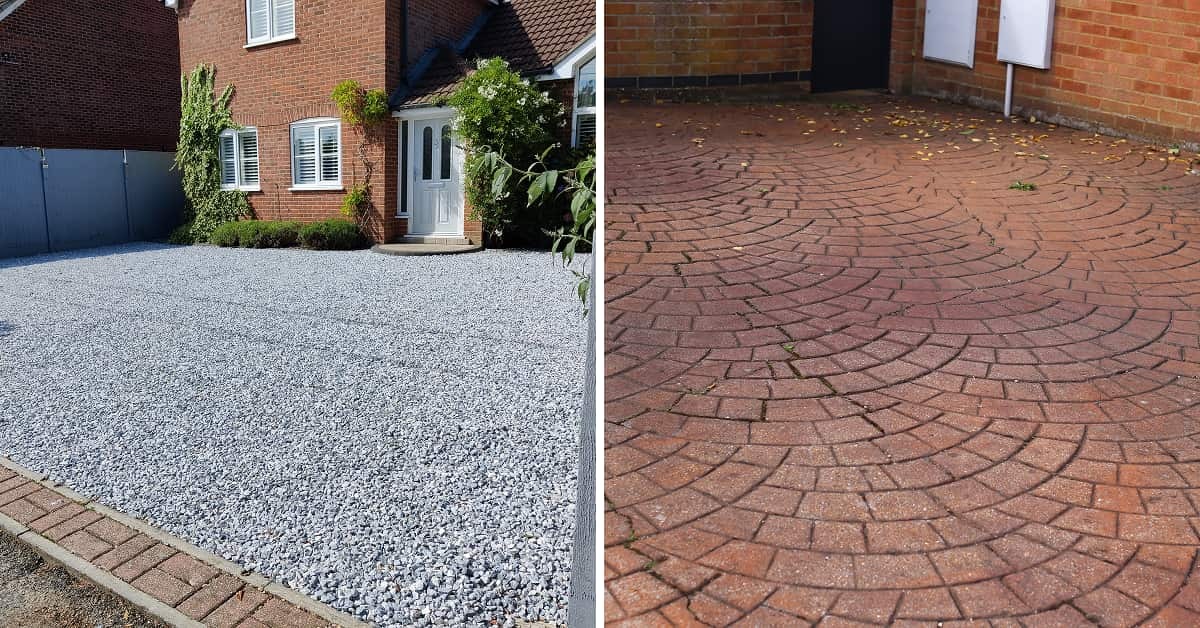
Choosing the right driveway material can make a noticeable difference in how your property looks, functions, and handles everyday traffic. Two popular options for residential properties are concrete driveways and gravel driveways.
Both materials can be practical, but they offer very different benefits. Concrete provides a solid, finished surface with a clean appearance, while gravel can offer a more flexible and budget-conscious option for certain properties.
The right choice depends on your property conditions, drainage, traffic, maintenance expectations, appearance, and long-term plans.
If you’re considering a new driveway in Greensboro or surrounding communities, understanding the differences between concrete and gravel can help you make a more informed decision.
Concrete vs. Gravel: A Quick Comparison
Before choosing a material, it helps to understand how the two options compare.
Concrete Driveway
Concrete creates a permanent, solid driving surface that can complement both traditional and modern properties.
Common benefits include:
- Smooth and stable driving surface
- Clean and finished appearance
- Low routine maintenance
- Suitable for regular vehicle traffic
- Multiple design and finishing options
- Easier to keep clear of loose material
- Can complement walkways, patios, and other concrete features
A properly planned concrete driveway can also become an important part of your property’s overall exterior appearance.
Gravel Driveway
Gravel is made from loose aggregate and is commonly used for driveways, access roads, parking areas, and other surfaces.
Potential advantages include:
- Generally simple to install
- Flexible for certain property layouts
- Useful for rural and larger properties
- Can work well for long driveways
- Gravel can be replenished when necessary
- Available in different aggregate sizes and appearances
However, gravel can move over time because of vehicle traffic, rain, and normal weather conditions. Periodic maintenance may therefore be necessary.
1. Consider the Condition of Your Property
The first question should not simply be, “Which material looks better?”
You should also consider the condition of the land where the driveway will be installed.
A driveway area with significant slopes, poor drainage, soft soil, or uneven terrain may require site preparation before the surface material is installed.
Professional grading services can help prepare the ground by addressing elevation changes and unsuitable areas before driveway construction begins.
This is especially important when rainwater naturally moves across the proposed driveway location.
A beautiful driveway can still experience problems if the underlying site has not been properly evaluated and prepared.
2. Concrete Provides a More Finished Appearance
If appearance is one of your priorities, concrete offers a clean and structured look.
A concrete driveway can create a strong visual connection between your home, garage, walkway, landscaping, and other exterior features.
For homeowners improving curb appeal, a new driveway may be part of a larger property renovation.
You might combine the driveway with:
- A landscaped entrance
- Decorative borders
- A concrete walkway
- New planting beds
- Outdoor lighting
- A front-yard renovation
Our landscaping services can help complement hard surfaces with professionally planned outdoor landscaping.
The goal is not simply to install a driveway, but to create an exterior space where the different elements work together.
3. Gravel Can Be Practical for Certain Properties
Concrete is not automatically the best choice for every property.
A gravel driveway may make sense when you have a long driveway, rural property, large access area, or specific budget requirements.
Gravel can also provide a practical surface for areas that need vehicle access without requiring the same type of finished surface as a residential concrete driveway.
However, gravel requires consideration of:
- Drainage
- Slope
- Aggregate size
- Surface preparation
- Vehicle traffic
- Regular maintenance
- Edge stability
If the ground underneath is uneven or drainage is poor, simply spreading gravel over the area may not solve the underlying problem.
Proper preparation remains important regardless of the driveway material you choose.
4. Drainage Should Be Part of the Driveway Plan
Water is one of the most important factors to consider when planning a driveway.
Rainwater needs a suitable path to move away from the driveway and other areas where it could create problems.
Poor drainage can lead to:
- Puddles
- Erosion
- Washed-out gravel
- Muddy areas
- Soil movement
- Water flowing toward structures
This is why grading and drainage should be considered before driveway installation.
The existing slope of the property, surrounding landscape, soil conditions, and nearby structures can all influence how water behaves.
If your property already has drainage problems, addressing them before installing a new driveway can be a much better approach than waiting for problems to appear after construction.
5. Concrete Is a Strong Option for Everyday Vehicle Traffic
A driveway needs to handle more than just its appearance.
Cars, SUVs, trucks, deliveries, visitors, and everyday use all place demands on the surface.
Concrete provides a firm surface for regular vehicle traffic and can create a stable entrance to your garage or parking area.
For homeowners who want a permanent-looking driveway that integrates with the rest of the property, concrete can be an excellent option.
Our concrete services cover outdoor concrete projects for residential and commercial properties, including driveways and other concrete surfaces.
The specific construction approach should always be based on the property, project requirements, and site conditions.
6. Think About Maintenance Before Choosing a Material
Every driveway requires some level of maintenance.
A concrete driveway generally requires routine cleaning and attention to cracks or surface issues that may develop over time.
Gravel driveways can require additional attention because loose aggregate can shift or become displaced.
Rain, vehicle traffic, and erosion may cause gravel to move away from high-use areas or collect in other parts of the driveway.
Depending on the property, gravel may need periodic replenishment, grading, or reshaping.
Think about how much maintenance you are comfortable performing before choosing your driveway material.
7. Your Driveway Can Be Part of a Larger Outdoor Project
A driveway rarely exists completely on its own.
It connects your home to the street and often sits alongside lawns, gardens, walkways, patios, retaining walls, and other outdoor features.
If you are already planning several improvements, it may make sense to consider the entire property together.
For example, a project could include:
Driveway:
A new concrete or gravel entrance.
Walkway:
A path connecting the driveway to the front entrance.
Landscaping:
Plants, lawn improvements, mulch, stone, and other landscape elements.
Drainage:
Improvements designed to manage surface water.
Hardscaping:
Retaining walls, patios, edging, or other constructed outdoor features.
Our hardscaping services can complement driveway and landscape projects by adding structure and functional outdoor features.
Planning these elements together can create a more consistent appearance and help address site conditions before individual projects are completed.
What About a Driveway on a Sloped Property?
Sloped properties require additional planning.
A steep or uneven driveway can affect vehicle access, drainage, erosion, and the overall usability of the property.
Before selecting concrete or gravel, the slope should be evaluated.
In some cases, grading and excavation may be necessary to create a more suitable driveway area. Other properties may require drainage improvements or additional site preparation.
This is one reason why a professional evaluation can be valuable before beginning construction.
Instead of selecting a material first and dealing with site problems later, you can evaluate the property and determine what preparation is needed.
Concrete Driveways for Greensboro-Area Properties
Homeowners throughout Greensboro and nearby communities often want outdoor improvements that are practical as well as attractive.
A new concrete driveway can improve the appearance of a property while creating a stable surface for everyday vehicle access.
Depending on the project, concrete work can also be coordinated with patios, walkways, curbs, outdoor living spaces, and other improvements.
If your driveway project is part of a larger renovation, proper site preparation and grading should be considered before construction begins.
Driveway Planning in Burlington, Summerfield, and Nearby Communities
Driveway requirements can vary from one property to another.
A homeowner in Burlington, NC may have different site conditions from a property in Summerfield, NC. Similarly, properties in Greensboro, Kernersville, Jamestown, or High Point can have different terrain, drainage, access, and project requirements.
That is why driveway planning should focus on the actual property rather than using a one-size-fits-all approach.
Whether you need grading, concrete work, landscaping, or hardscaping, evaluating the complete project can help you determine the appropriate next step.
Which Is Better: Concrete or Gravel?
There is no single answer for every property.
Concrete may be the better choice if you want:
- A solid finished surface
- A cleaner appearance
- A permanent driveway solution
- A surface that complements your home’s exterior
- A driveway integrated with other concrete features
Gravel may be a better fit if you need:
- A practical surface for a long driveway
- A flexible option for certain rural properties
- A surface suitable for larger access areas
- A material that can be replenished or adjusted over time
The best option depends on your property’s terrain, drainage, intended use, budget, appearance preferences, and long-term plans.
Prepare Your Property Before Installing a New Driveway
Whether you choose concrete or gravel, don’t overlook the ground underneath.
Proper site preparation can make a significant difference in the finished project. Grading, excavation, drainage planning, and surface preparation should be considered according to the specific property.
If you’re unsure whether your property is ready for a new driveway, professional evaluation can help identify potential issues before construction begins.
At Greensboro Grading and Concrete, we provide grading, concrete, landscaping, hardscaping, excavation, and site preparation services for residential and commercial properties.
Ready for a New Driveway?
Planning a new driveway is a major property improvement, and choosing the right material is only one part of the process.
If you need help with grading, site preparation, concrete work, or related outdoor improvements, Greensboro Grading and Concrete can help you plan the next step.
Contact us today to discuss your driveway project and request a consultation.
Whether you’re replacing an old driveway, preparing a new property, or combining your driveway with landscaping and other outdoor improvements, proper planning can help you create a driveway that fits your property and your needs.