Choosing the right driveway material is an important decision for any homeowner. A driveway needs to provide reliable access to your property, handle regular vehicle traffic, manage rainwater, and complement the overall appearance of your home.
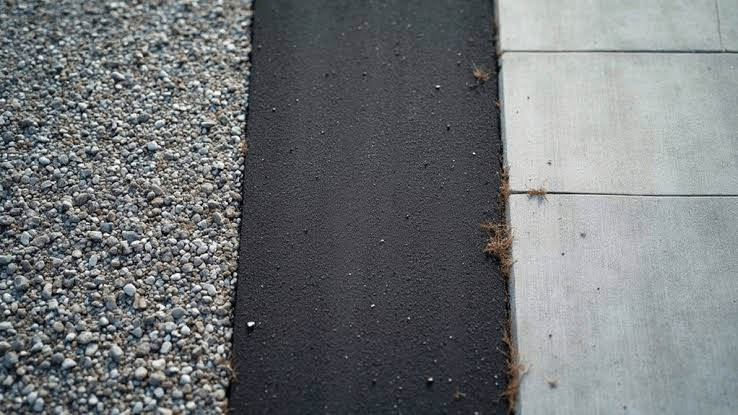
Two common options are concrete and gravel. Both can be practical choices, but they have very different characteristics when it comes to maintenance, appearance, stability, drainage, and long-term performance.
The right choice depends on your property’s existing grade, soil conditions, drainage, expected traffic, budget, and the type of finish you want.
If you are considering a new driveway in Greensboro, NC, understanding the differences between concrete and gravel can help you make a more informed decision.
What Should You Consider Before Choosing a Driveway Material?
The surface material is only one part of a successful driveway project. Proper preparation underneath the driveway is equally important.
Before choosing between concrete and gravel, consider:
- The existing slope of your property
- Soil conditions
- How water moves across the site
- The amount of vehicle traffic
- The length and width of the driveway
- Maintenance expectations
- Desired appearance
- Available project budget
- Future landscaping or hardscaping plans
A driveway installed over poorly prepared or unstable ground may develop problems regardless of the surface material.
That is why site preparation and grading should be considered before construction begins.
Concrete Driveways: A Durable, Finished Surface
Concrete is a popular choice for homeowners who want a permanent-looking driveway with a clean and finished appearance.
A properly installed concrete driveway can provide a solid surface for everyday vehicle traffic while also creating a defined entrance to the property.
Concrete can work particularly well for:
- Residential driveways
- Longer driveway approaches
- Parking areas
- Garage entrances
- Walkway connections
- New construction
- Property renovations
One of the biggest advantages of concrete is its finished appearance. It can give the front of a property a more structured look and can be coordinated with landscaping, walkways, and other exterior improvements.
Our concrete services include concrete driveways, patios, sidewalks, slabs, stamped concrete, foundations, and other concrete construction projects.
Benefits of a Concrete Driveway
A concrete driveway may be a good choice when you want:
- A solid and stable driving surface
- A clean, finished appearance
- A defined transition between the driveway and landscape
- A surface that integrates well with other concrete features
- Less loose material compared with gravel
- A long-term driveway installation when properly prepared and maintained
However, concrete is not simply a matter of pouring material onto the existing ground. Excavation, grading, base preparation, drainage, reinforcement, and finishing all play important roles in the quality of the finished project.
Gravel Driveways: A Flexible and Practical Option
Gravel can be a practical solution for properties where a more flexible driveway surface is preferred.
Unlike concrete, gravel consists of loose aggregate that can be installed, replenished, and adjusted over time. This can make it useful for certain rural properties, longer driveways, temporary access routes, or areas where a different driveway appearance is desired.
Gravel driveways may work well for:
- Rural residential properties
- Long driveway entrances
- Large properties
- Secondary access roads
- Parking areas
- Properties where a permeable surface is preferred
A gravel driveway can also have a more natural appearance that works well with landscaping and larger outdoor properties.
Benefits of a Gravel Driveway
A gravel driveway may offer:
- A natural appearance
- Flexible installation options
- Easy access to larger areas
- The ability to replenish surface material
- A practical option for certain rural properties
- A surface that can work well with appropriate drainage planning
However, gravel requires periodic maintenance. Vehicles can move loose aggregate, rainwater can wash material away, and low areas may eventually develop.
Proper grading and drainage can help reduce these problems.
Concrete vs. Gravel: How Do They Compare?
There is no single driveway material that is best for every property.
The better option depends on what you expect from the driveway.
| Factor | Concrete | Gravel |
|---|---|---|
| Appearance | Clean and finished | Natural and informal |
| Surface | Solid | Loose aggregate |
| Maintenance | Generally routine maintenance | May require periodic regrading or adding gravel |
| Vehicle Traffic | Well suited for regular traffic | Suitable when properly prepared |
| Drainage | Requires appropriate slope and planning | Can allow water to pass through the aggregate, depending on construction |
| Design Options | Multiple finishing options | Primarily aggregate-based appearance |
| Long-Term Planning | Requires careful initial installation | Allows surface material to be replenished |
| Property Style | Traditional, modern, or finished appearance | Rural, natural, or informal appearance |
The most important consideration is not simply which material looks better. The driveway needs to be designed around the property itself.
Why Driveway Grading Matters
Before installing either concrete or gravel, the ground underneath needs to be properly prepared.
Driveway grading helps establish the appropriate slope and elevation so water does not simply collect in the middle of the driveway or flow toward unwanted areas.
Poor grading may contribute to:
- Standing water
- Erosion
- Gravel displacement
- Muddy areas
- Settlement
- Uneven surfaces
- Water flowing toward structures
- Problems along driveway edges
A driveway that looks excellent when first installed can still experience problems if the underlying site preparation was inadequate.
Our grading services include land grading, yard leveling, site preparation, excavation, drainage solutions, erosion control, gravel driveway grading, and slope correction.
Gravel Driveway Maintenance and Grading
One of the main differences between concrete and gravel is how the surface behaves over time.
Gravel can shift under vehicle traffic and rainfall. Material may gradually move toward the edges or collect in low areas. Heavy storms can also wash aggregate away when the driveway does not have appropriate drainage.
Periodic maintenance may include:
- Regrading uneven areas
- Replenishing gravel
- Correcting low spots
- Improving drainage
- Reshaping driveway edges
- Addressing erosion
For longer gravel driveways, proper initial grading can be particularly important because runoff has more distance over which to gain speed and affect the surface.
Concrete Driveways and Proper Site Preparation
Concrete also depends heavily on what happens before the concrete is installed.
The site may require excavation, grading, base preparation, compaction, and drainage planning. The exact preparation depends on soil conditions, driveway dimensions, slope, and project requirements.
A properly prepared site can provide a more stable foundation for the finished driveway.
This is particularly important when replacing an old driveway or constructing a driveway on land that has previously been disturbed.
What About Drainage?
Drainage should be part of your driveway planning regardless of whether you choose concrete or gravel.
Rainwater needs a controlled path away from the driveway and surrounding structures.
Consider how:
- Water enters the driveway
- Water leaves the property
- The driveway slopes
- Nearby landscaping affects runoff
- Gutters and downspouts discharge water
- Soil absorbs or sheds rainfall
- Adjacent patios or walkways affect drainage
A driveway should not be designed in isolation from the rest of the property.
For example, installing a new driveway may change how rainwater moves across a front yard. That means grading and landscape planning may need to be considered at the same time.
How Landscaping Can Improve a Driveway Project
Your driveway is one of the first features people notice when approaching your property. Combining driveway construction with thoughtful landscaping can improve the overall appearance of the entrance.
Landscaping can include:
- Planting beds
- Shrubs and trees
- Decorative stone
- Mulch
- Lawn installation
- Landscape edging
- Walkways
- Lighting
Our landscaping services can help coordinate the surrounding outdoor areas with your driveway project.
For properties that need more structure, hardscaping can also be incorporated around driveway entrances, walkways, retaining walls, patios, or other outdoor features. Explore our hardscaping services to see how durable outdoor elements can complement a larger property improvement project.
Which Driveway Is Better for Greensboro Homeowners?
For a Greensboro property, the best choice depends on the specific site rather than simply choosing the most popular material.
A concrete driveway may make sense if you want a finished, solid surface that complements a traditional or modern residential property.
A gravel driveway may be more appropriate if you prefer a natural appearance, have a long driveway, own a larger property, or want a flexible aggregate surface.
The property’s existing grade and drainage should also be considered before making the final decision.
A professional assessment can help identify potential site issues before construction begins.
Questions to Ask Before Installing a New Driveway
Before starting your driveway project, ask:
Is the Existing Ground Stable?
Soft, disturbed, or poorly compacted soil may require additional preparation before a driveway can be installed.
Where Will Rainwater Go?
Identify where water currently flows and determine whether the new driveway could change that pattern.
Does the Property Need Grading?
If the driveway area contains low spots, uneven terrain, or drainage problems, grading may need to happen before installation.
Will the Driveway Connect to Other Outdoor Features?
Consider future patios, walkways, landscaping, retaining walls, or other improvements before finalizing the driveway layout.
How Much Maintenance Do You Want?
Concrete and gravel have different maintenance requirements. Think about how much ongoing attention you are willing to give the driveway.
When Should You Choose Concrete?
Concrete may be worth considering when your priorities include:
- A solid driving surface
- A finished residential appearance
- Integration with concrete walkways or patios
- Defined driveway edges
- A long-term improvement to the property
- A surface designed for regular vehicle use
The quality of the installation still depends on proper preparation and construction.
When Should You Choose Gravel?
Gravel may be worth considering when your priorities include:
- A natural appearance
- A larger or rural property
- A longer driveway
- Flexible surface maintenance
- A loose aggregate finish
- A driveway that works naturally with the surrounding landscape
Gravel is not maintenance-free, but individual areas can often be refreshed or regraded as needed.
Build Your Driveway on a Properly Prepared Site
Whether you choose concrete or gravel, the driveway should begin with a properly evaluated site.
At Greensboro Grading and Concrete, we provide grading, site preparation, concrete, landscaping, and hardscaping services to help property owners approach outdoor projects as a complete system rather than a collection of separate features.
Our team can help with projects involving:
- Driveway grading
- Land grading
- Excavation
- Site preparation
- Drainage improvements
- Concrete driveways
- Concrete patios
- Walkways
- Landscaping
- Hardscaping
You can learn more about our company and the property improvement services we provide throughout Greensboro and surrounding communities.
If you are planning a new driveway or need to correct problems with an existing property, contact Greensboro Grading and Concrete to discuss your project and request an estimate.
Frequently Asked Questions
Is concrete better than gravel for a driveway?
Neither material is automatically better for every property. Concrete provides a solid, finished surface, while gravel offers a flexible and natural-looking alternative. Soil, drainage, traffic, maintenance, and budget should all be considered.
Does a gravel driveway need grading?
Yes. Proper grading can help establish the driveway’s slope, improve water flow, reduce erosion, and limit the development of low areas.
Does a concrete driveway need drainage?
Concrete driveways need appropriate slope and drainage planning so rainwater does not collect in unwanted areas. The exact drainage requirements depend on the property’s layout and existing water flow.
Can you replace a gravel driveway with concrete?
In many cases, a gravel driveway can be replaced with concrete, but the existing site should be evaluated first. The old material may need to be removed or reworked, and the base, soil, grade, and drainage should be properly prepared.
Should grading happen before driveway installation?
Generally, site grading and preparation should be addressed before the final driveway surface is installed. Preparing the site first can help create the proper elevations and base conditions needed for the project.
Final Thoughts
Choosing between a concrete driveway and a gravel driveway is about more than appearance. The property’s grade, soil, drainage, traffic requirements, maintenance expectations, and overall design should all influence the decision.
Concrete can provide a clean, solid, finished surface, while gravel can offer a natural appearance and flexible solution for many properties.
Regardless of the material you choose, proper site preparation is one of the most important parts of the project. A well-planned driveway starts with understanding the land underneath it.
If you are planning a driveway project in Greensboro, NC, Greensboro Grading and Concrete can help with the grading, site preparation, concrete, landscaping, and hardscaping services needed to turn your plans into a functional outdoor improvement.